OT-2026-000003125
Tilt compensation apparatus and method for use with a monopod mounted laser range finder apparatus
- Published
- Permanent URL
- https://opentechnical.org/p/OT-2026-000003125
- Classification
- Industrial Components, Safety & Infrastructure › Structural Components
- Assignee
- LASER TECHNOLOGY INC
- Original source
- US-6144308-A, the United States Patent and Trademark Office, 7 November 2000
- Document SHA-256
- 95f38da1d11a9e107a176acd40313fefa379f3b08bfd5903a7b9098cb187c7c2
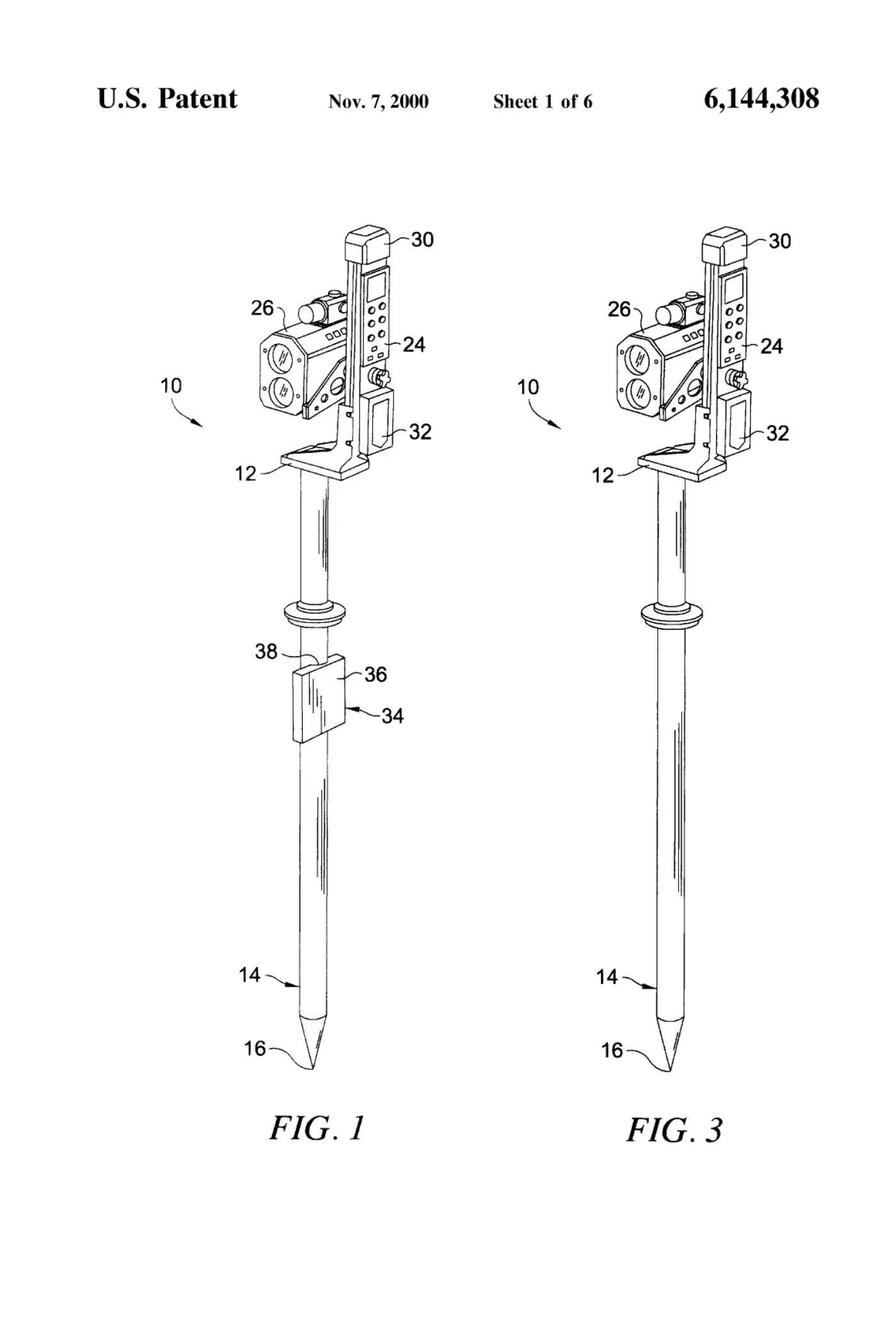
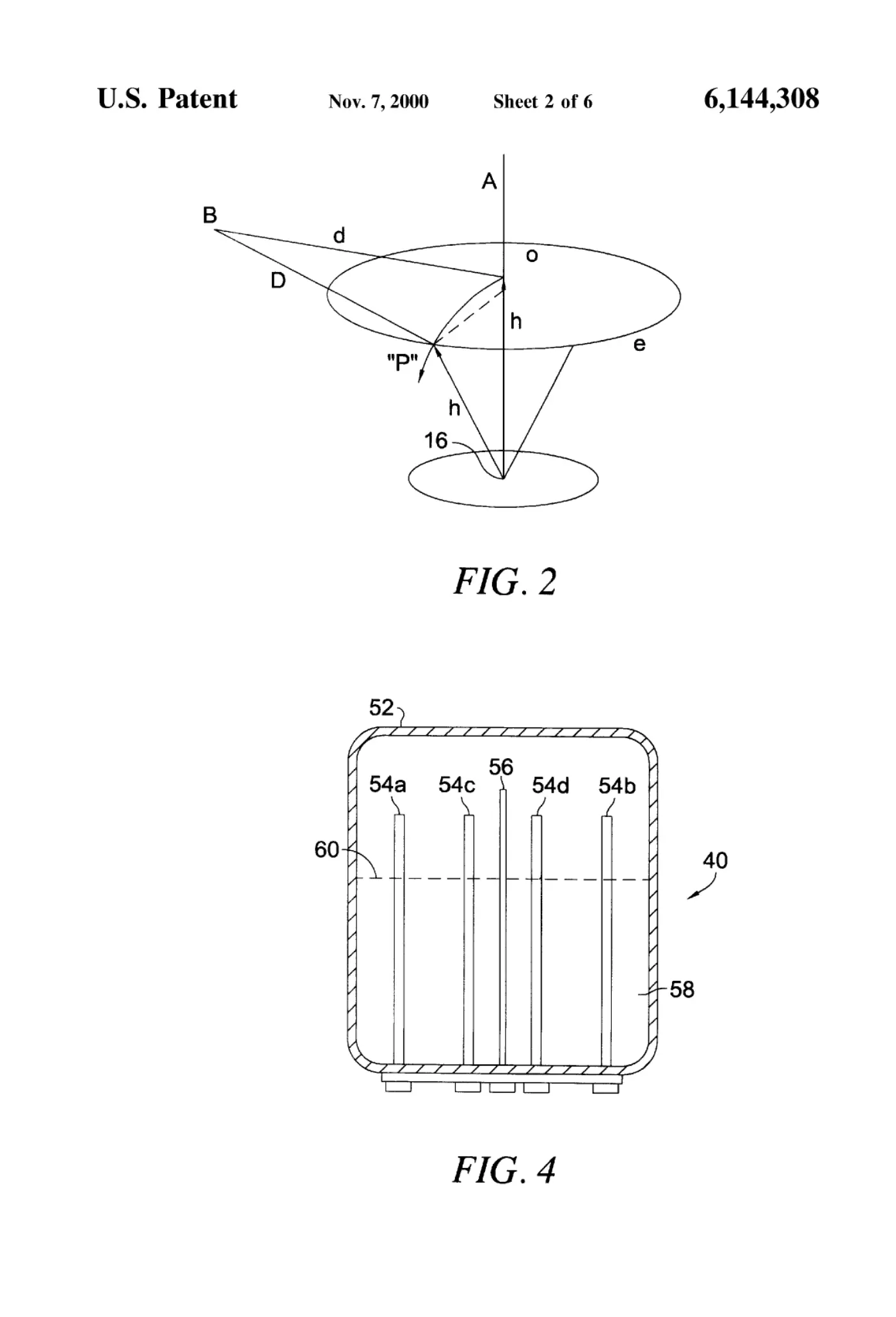
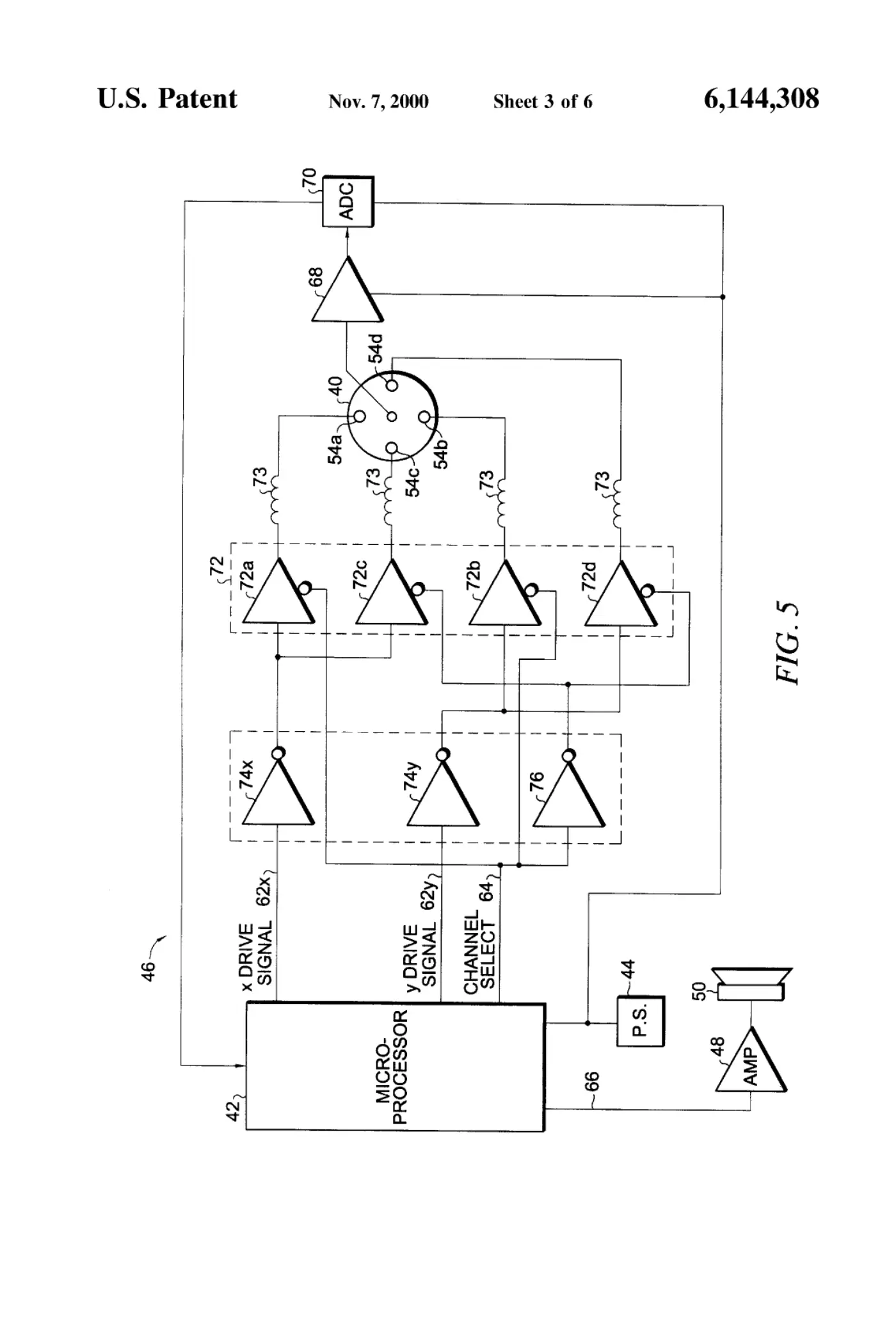
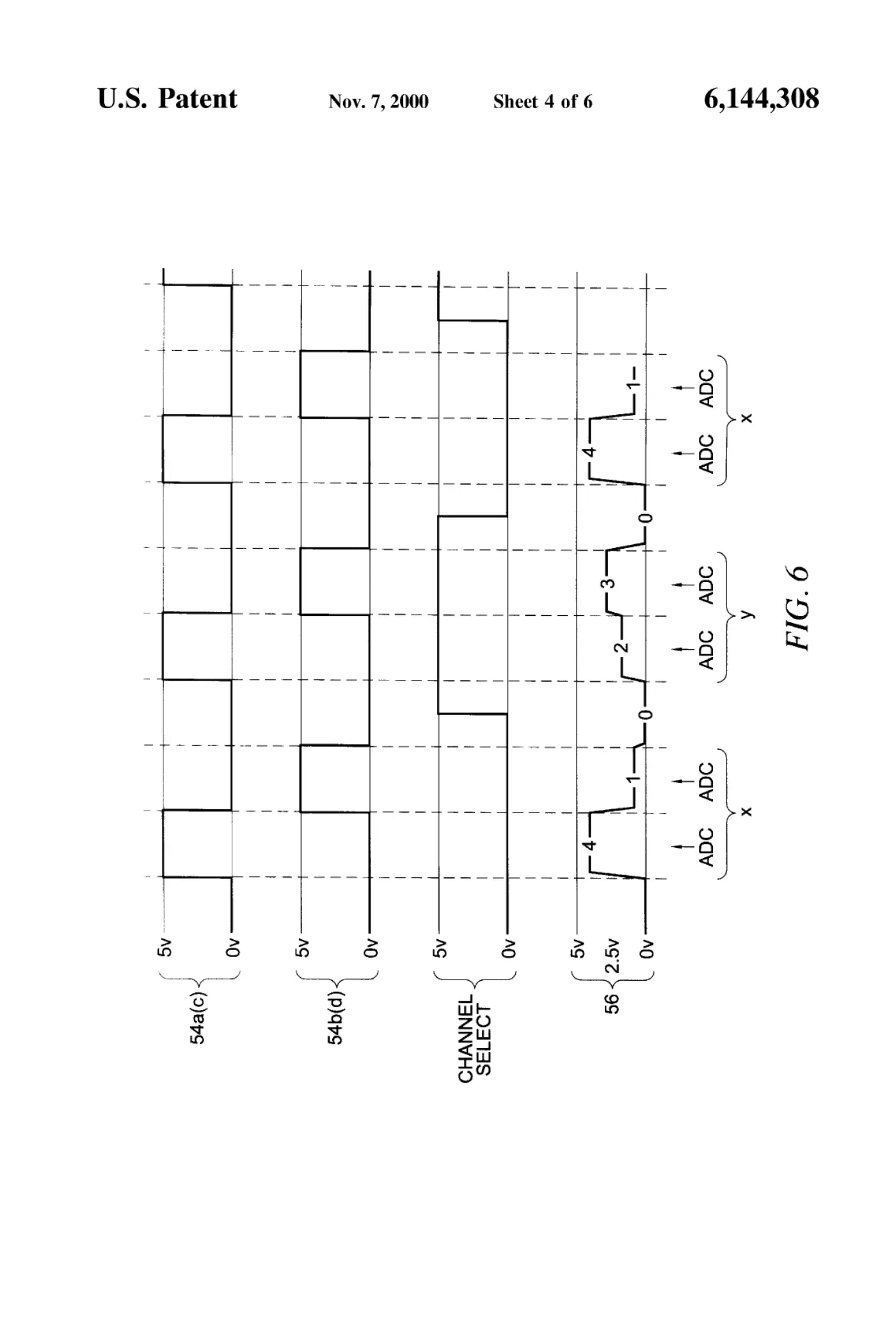
A tilt compensation method, circuit and apparatus utilizes a two axis tilt sensor or two single axis tilt sensors for alerting, a user and/or compensating a surveying instrument for off vertical alignment above a reference point when the instrument support is free to move about the reference point, e.g., when mounted on a monopod support. The sensor comprises a cell having a central electrode and four peripheral electrodes spaced 90 degrees apart around the central electrode. Fluid in the cell chamber changes the conductance of the electrodes with reference to the central electrode. The cell is mounted to the support or to the instrument itself. A microprocessor preferably provides a square wave drive signal selectively to alternate pairs of the opposing electrodes through tristate buffers while at the same time the microprocessor provides a channel select signal to the gate of the tristate buffers to float the idle electrodes. The signal on the central electrode is fed to an ADC and then to the microprocessor. The microprocessor preferably produces an alarm signal if the tilt is more than a user determined value. The microprocessor may use the sensed tilt magnitude and direction to automatically calculate corrections and compensate the distance measurement made by the distance measuring device such as a laser range finder for the off vertical orientation of the range finder.
Abstract
A tilt compensation method, circuit and apparatus utilizes a two axis tilt sensor or two single axis tilt sensors for alerting, a user and/or compensating a surveying instrument for off vertical alignment above a reference point when the instrument support is free to move about the reference point, e.g., when mounted on a monopod support. The sensor comprises a cell having a central electrode and four peripheral electrodes spaced 90 degrees apart around the central electrode. Fluid in the cell chamber changes the conductance of the electrodes with reference to the central electrode. The cell is mounted to the support or to the instrument itself. A microprocessor preferably provides a square wave drive signal selectively to alternate pairs of the opposing electrodes through tristate buffers while at the same time the microprocessor provides a channel select signal to the gate of the tristate buffers to float the idle electrodes. The signal on the central electrode is fed to an ADC and then to the microprocessor. The microprocessor preferably produces an alarm signal if the tilt is more than a user determined value. The microprocessor may use the sensed tilt magnitude and direction to automatically calculate corrections and compensate the distance measurement made by the distance measuring device such as a laser range finder for the off vertical orientation of the range finder.
1. Drawings
[0001]Sheet 1.
[0002]Sheet 2.
[0003]Sheet 3.
[0004]Sheet 4.
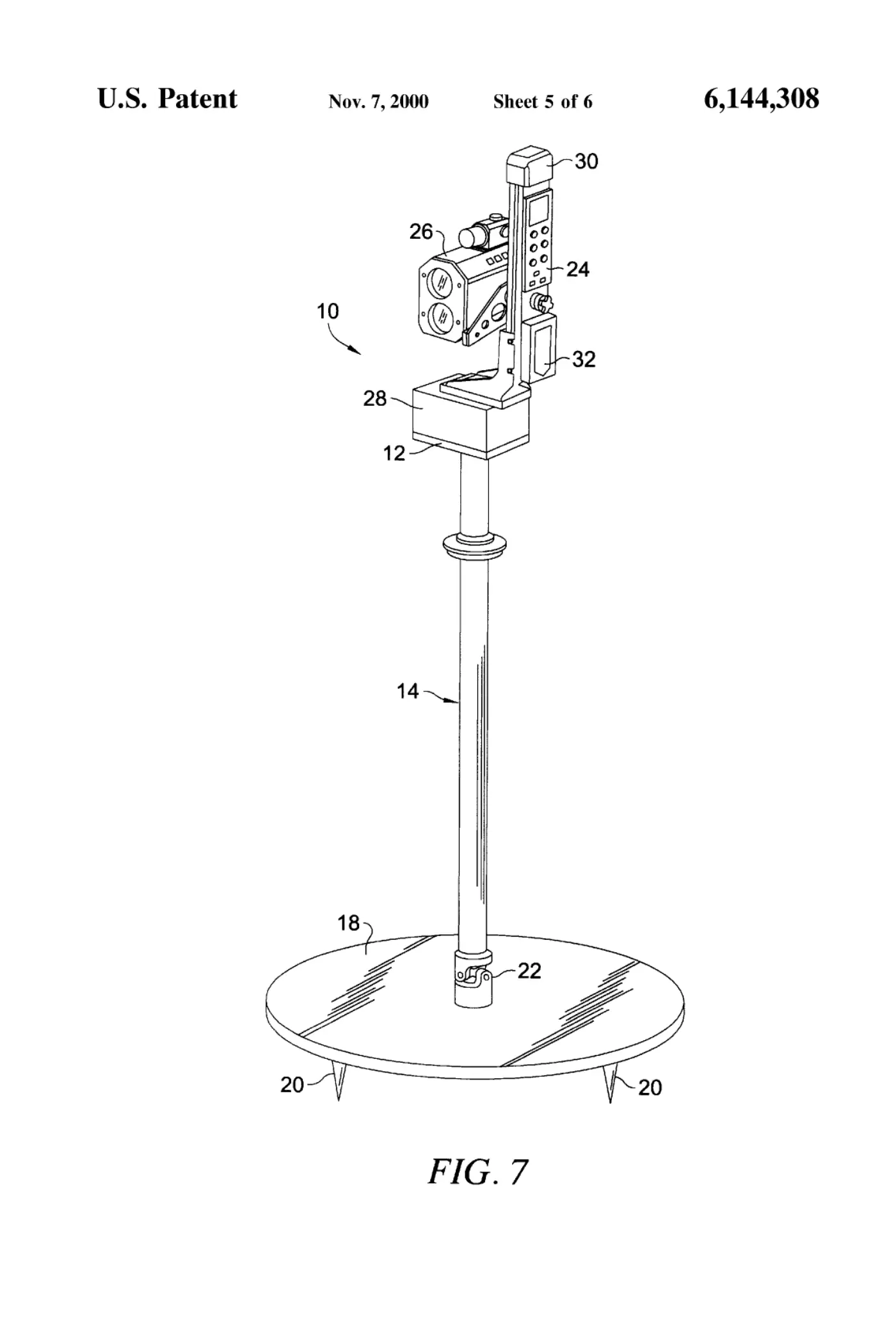
[0005]Sheet 5.
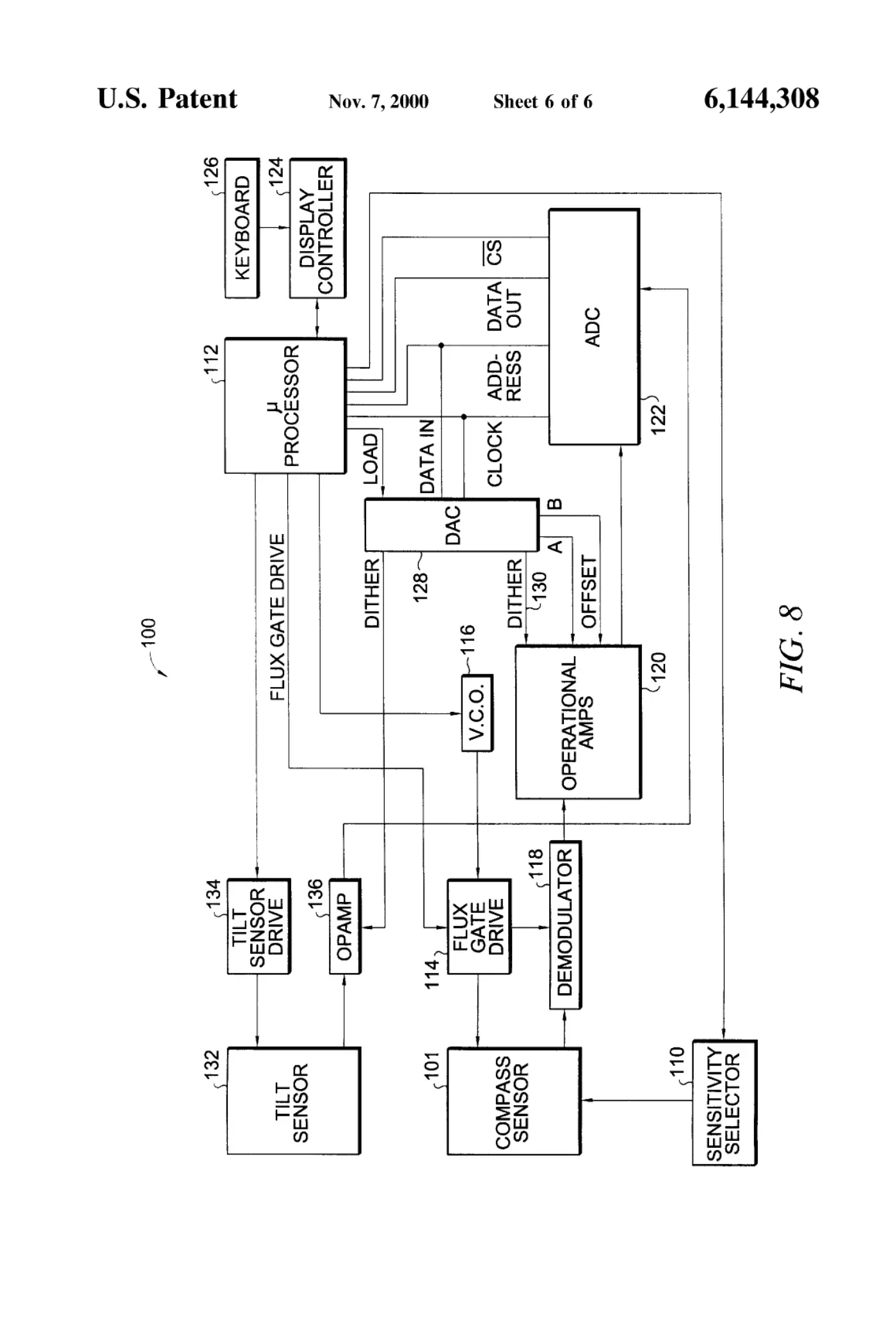
[0006]Sheet 6.
Publication information
Citation
OpenTechnical Publication OT-2026-000003125, “Tilt compensation apparatus and method for use with a monopod mounted laser range finder apparatus,” published September 15, 2026 at 19:33:55 UTC, https://opentechnical.org/p/OT-2026-000003125.
To cite specific content, add the paragraph or figure numbers.
Terms
This record reproduces a document published elsewhere and is provided for reference and study. Rights in the original remain with its owner. See the publication policy.