OT-2026-000003205
Pipe laying robot apparatus and method for installing pipe
- Published
- Permanent URL
- https://opentechnical.org/p/OT-2026-000003205
- Classification
- Lifting, Positioning & Manipulation › Hoists and Cranes
- Inventors
- BILL FRANK N
- Original source
- US-5795101-A, the United States Patent and Trademark Office, 18 August 1998
- Document SHA-256
- 933d5490b9b00a2db77b2d419c23afb43149deeea307cde167b25ecad6e1603b
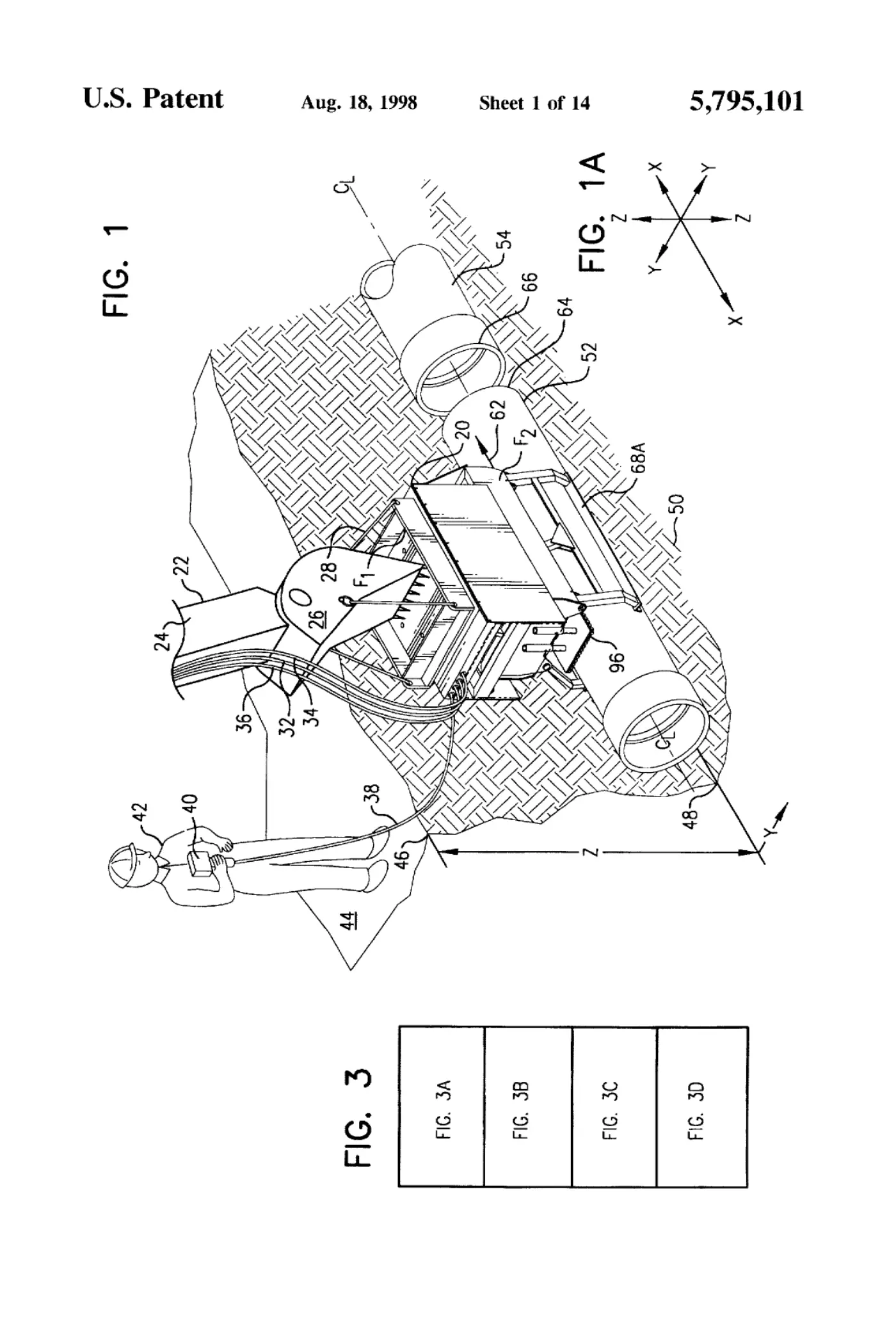
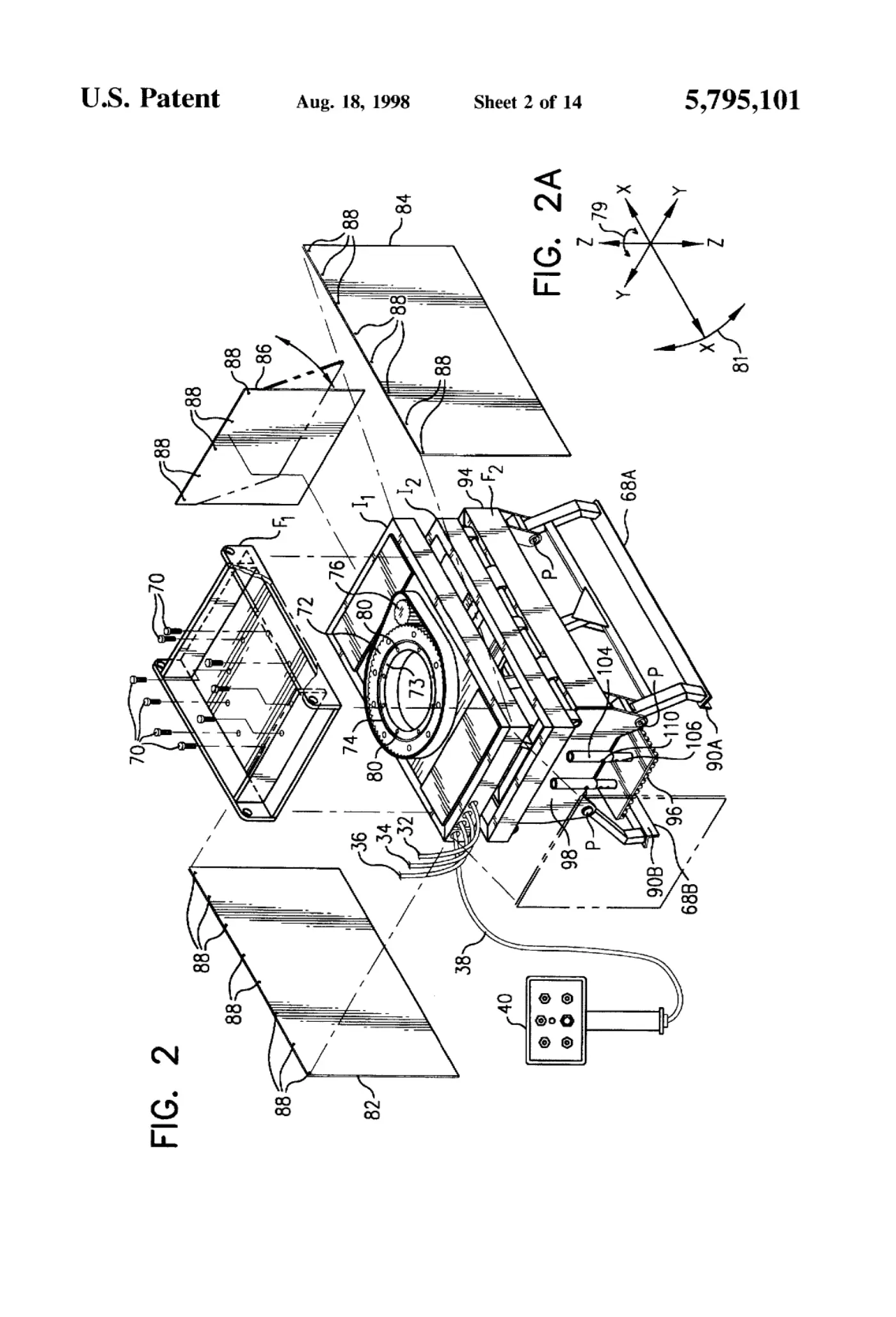
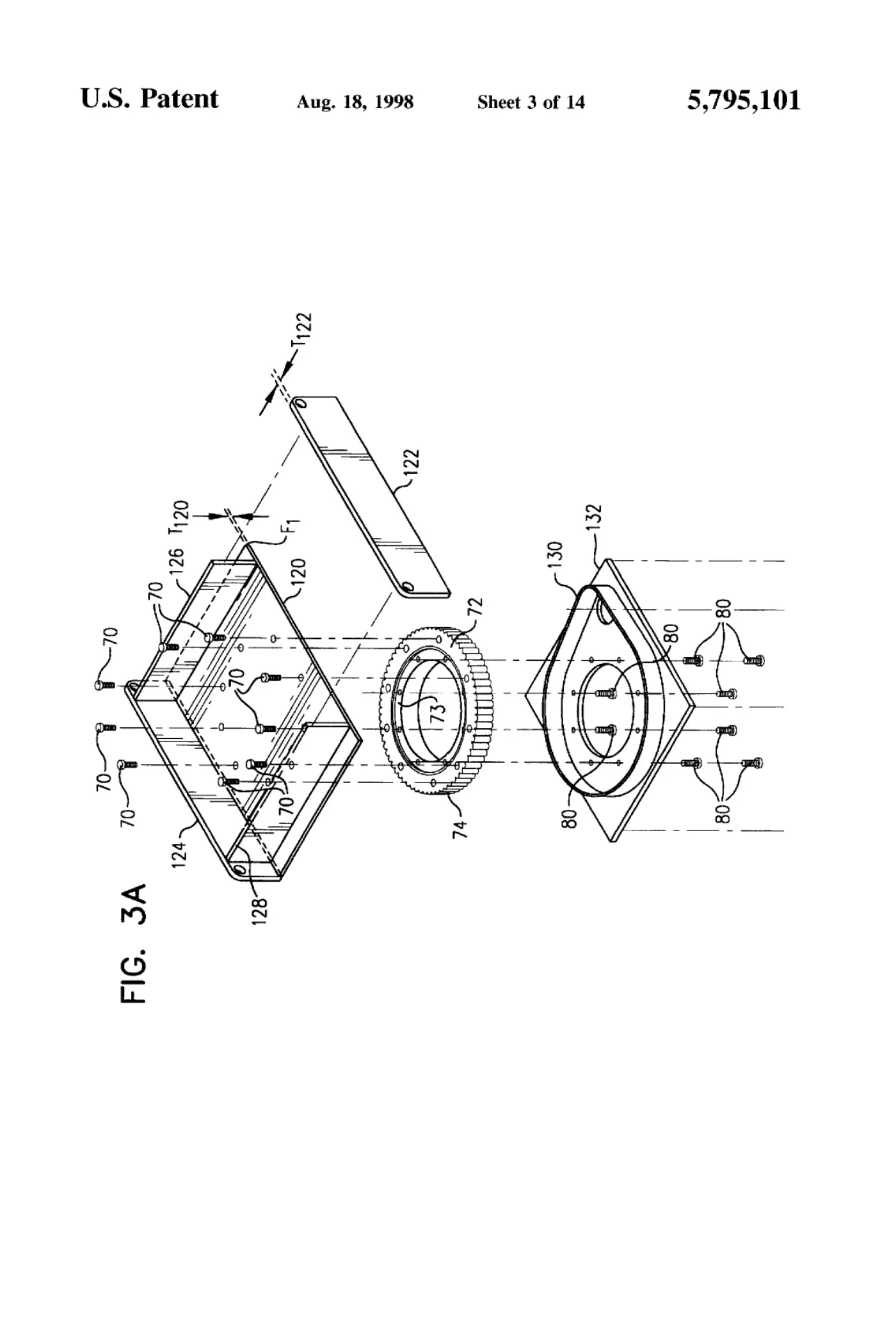
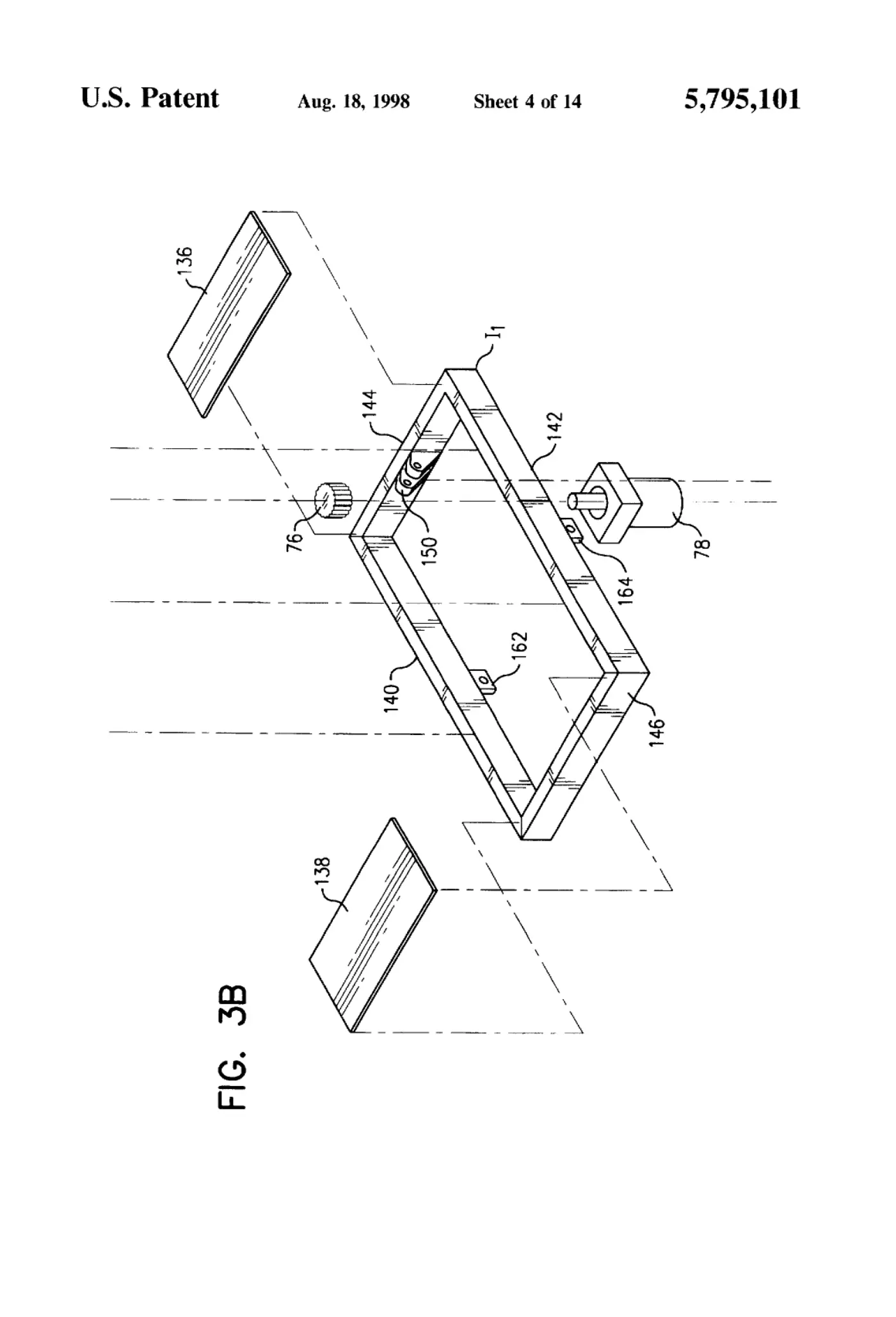
A pipe laying robot for manipulating an elongated workpiece such as a pipe section. The robot is a grasping apparatus particularly adapted for placing pipe in a trench. The apparatus is designed to be suspended from a lifting device such as a backhoe, and is adapted to grasp and manipulate the workpiece for lifting, moving, or setting the workpiece. The apparatus has a first frame, and a second frame rotatably secured to the first frame for angular rotation of the second frame about a normally vertical axis of rotation with respect to the first frame. Two or more grapplers are connected to the second frame in opposing juxtaposition and are moveable between (i) an open position wherein the grasping apparatus is lowered to a position so the the grapplers straddle the workpiece, and (ii) a closed position wherein the grapplers engage and securely grasp the workpiece. A pitch actuator is provided to displace the second frame with respect to the first frame in an up or down pitching movement to thereby pitch the elongated workpiece up or down as desired. A linear displacement actuator is provided to displace the second frame with respect to the first frame and thereby displace the elongated workpiece in a linear direction substantially along its centerline. An efficient method for laying underground pipelines, such as sewer, gas pipe, or water pipelines, via use of the pipe laying robot, is also disclosed.
Abstract
A pipe laying robot for manipulating an elongated workpiece such as a pipe section. The robot is a grasping apparatus particularly adapted for placing pipe in a trench. The apparatus is designed to be suspended from a lifting device such as a backhoe, and is adapted to grasp and manipulate the workpiece for lifting, moving, or setting the workpiece. The apparatus has a first frame, and a second frame rotatably secured to the first frame for angular rotation of the second frame about a normally vertical axis of rotation with respect to the first frame. Two or more grapplers are connected to the second frame in opposing juxtaposition and are moveable between (i) an open position wherein the grasping apparatus is lowered to a position so the the grapplers straddle the workpiece, and (ii) a closed position wherein the grapplers engage and securely grasp the workpiece. A pitch actuator is provided to displace the second frame with respect to the first frame in an up or down pitching movement to thereby pitch the elongated workpiece up or down as desired. A linear displacement actuator is provided to displace the second frame with respect to the first frame and thereby displace the elongated workpiece in a linear direction substantially along its centerline. An efficient method for laying underground pipelines, such as sewer, gas pipe, or water pipelines, via use of the pipe laying robot, is also disclosed.
1. Drawings
[0001]Sheet 1.
[0002]Sheet 2.
[0003]Sheet 3.
[0004]Sheet 4.
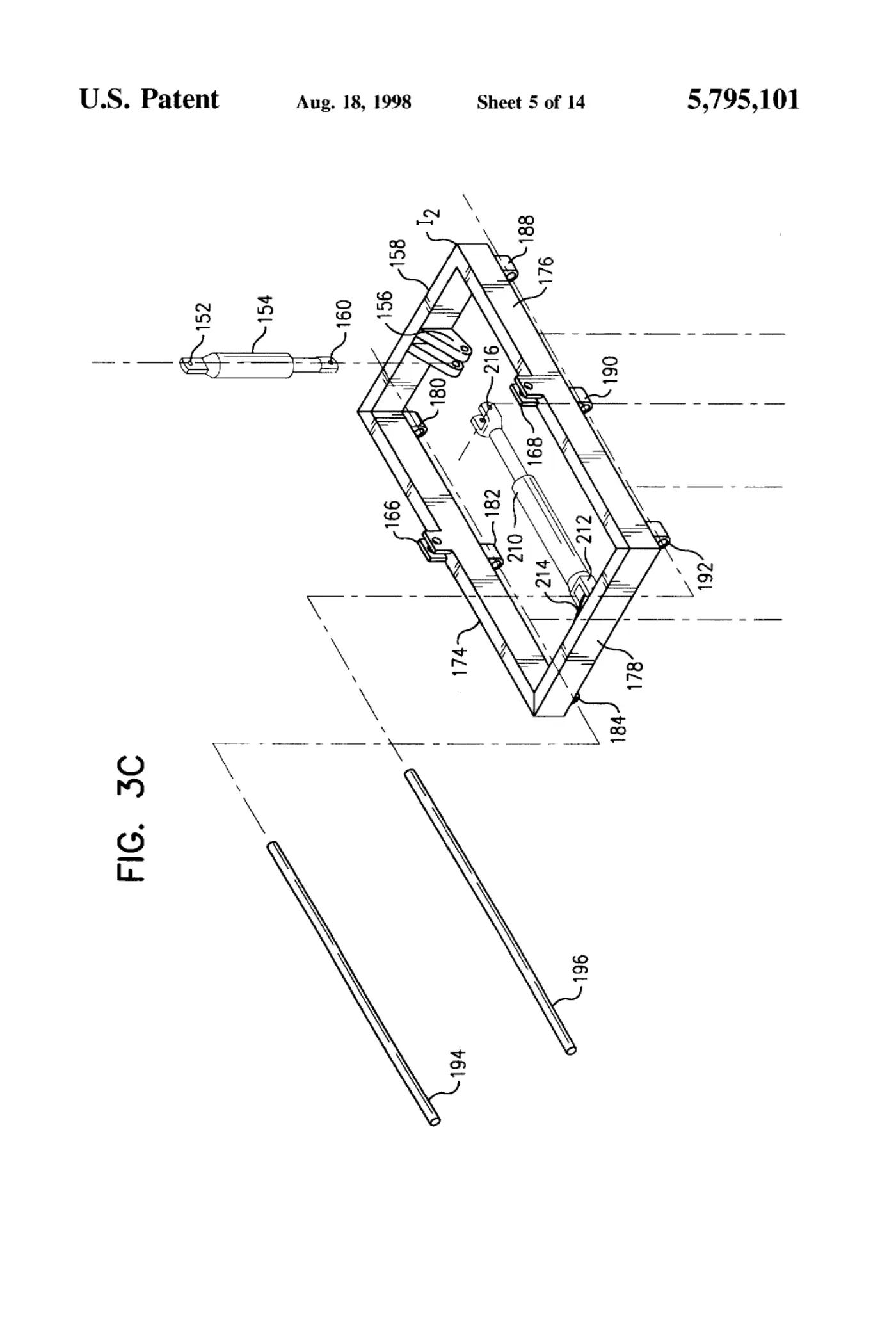
[0005]Sheet 5.
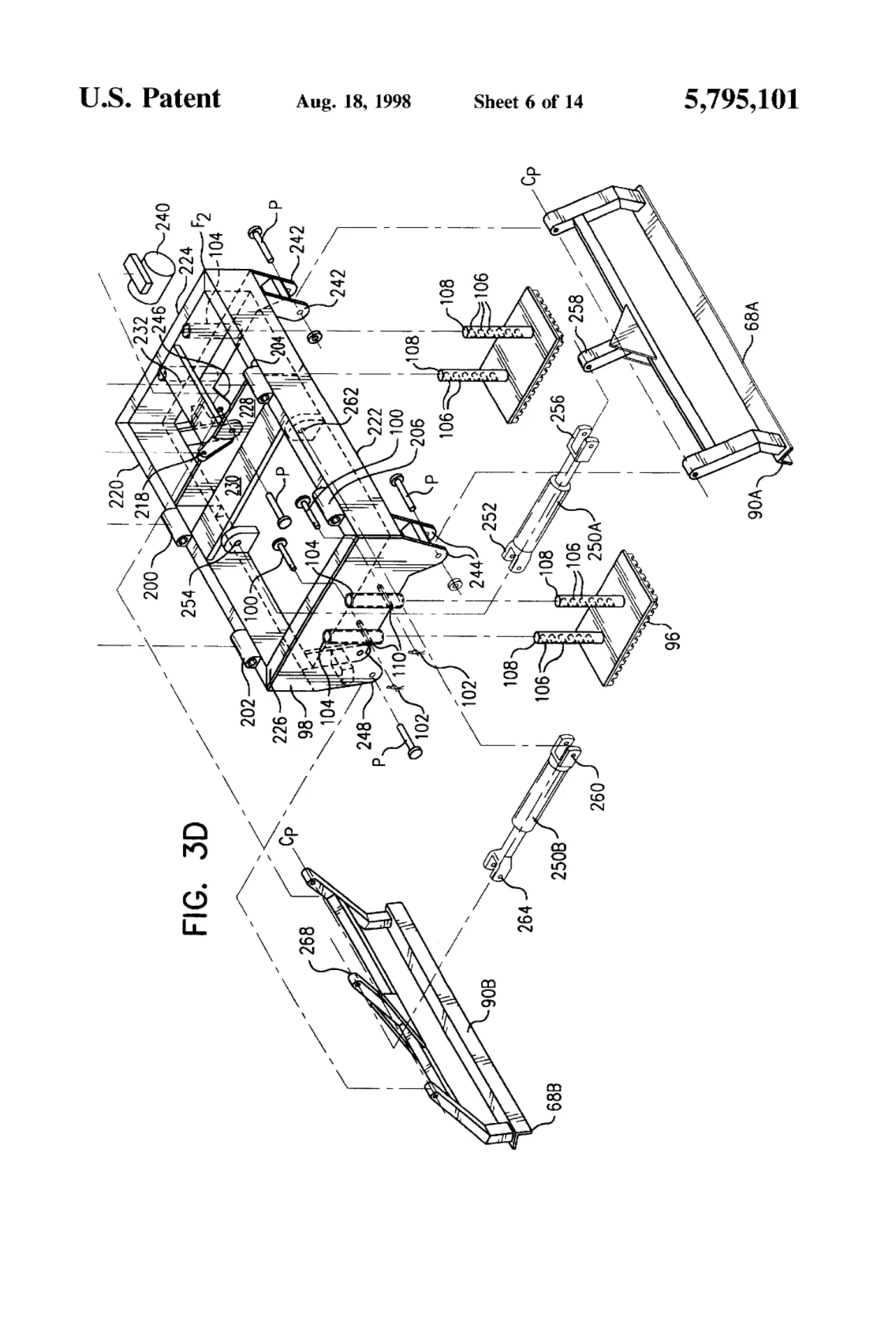
[0006]Sheet 6.
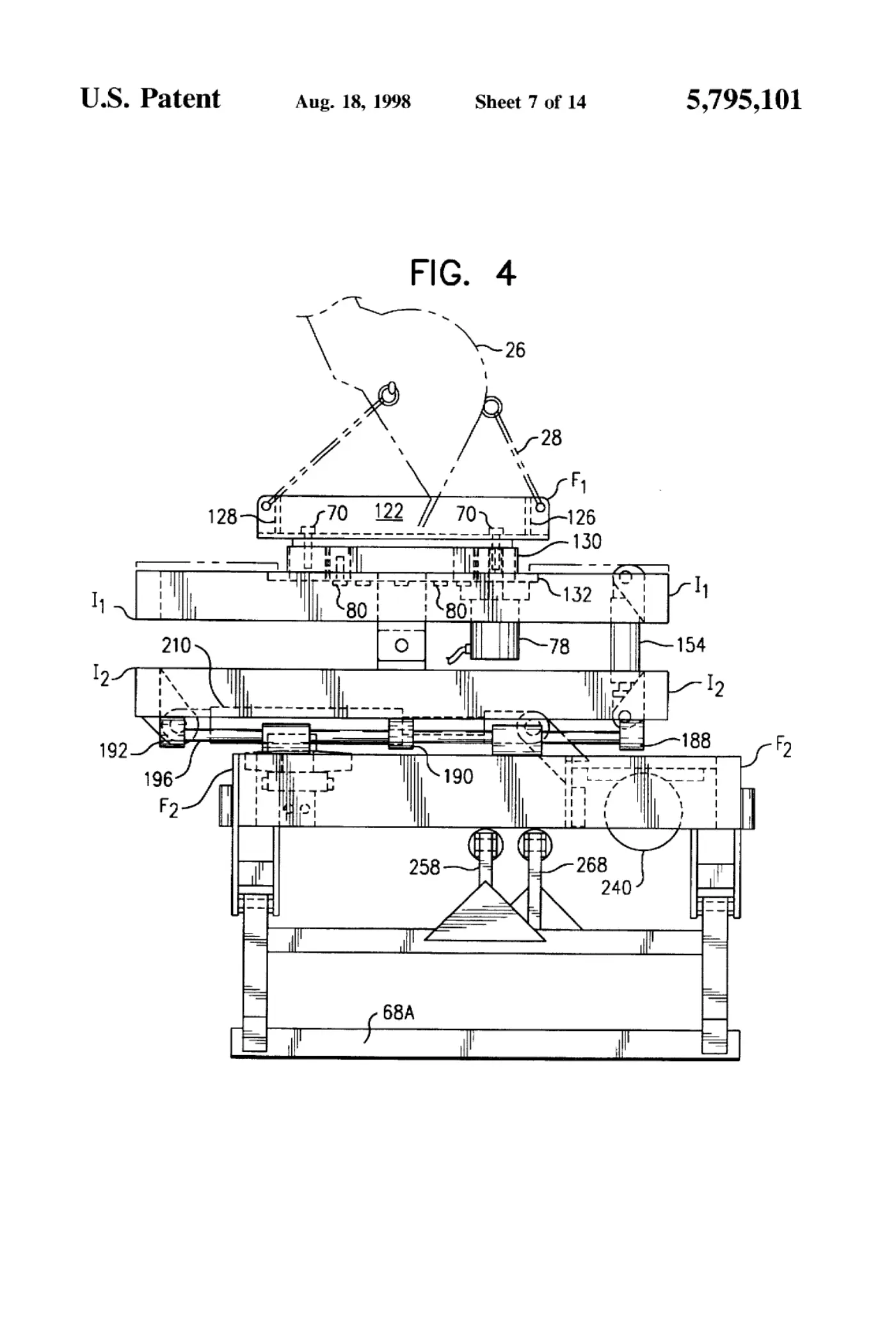
[0007]Sheet 7.
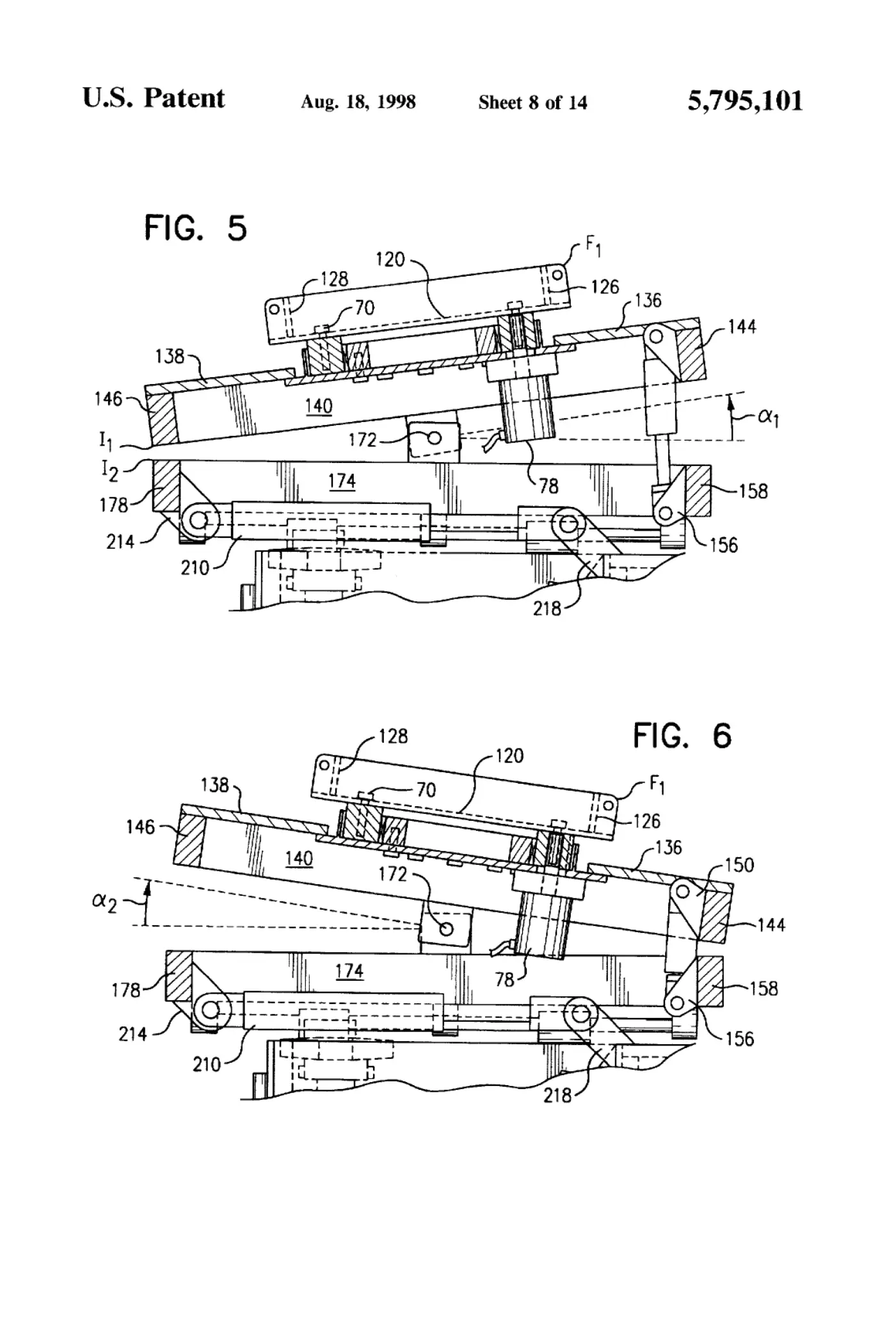
[0008]Sheet 8.
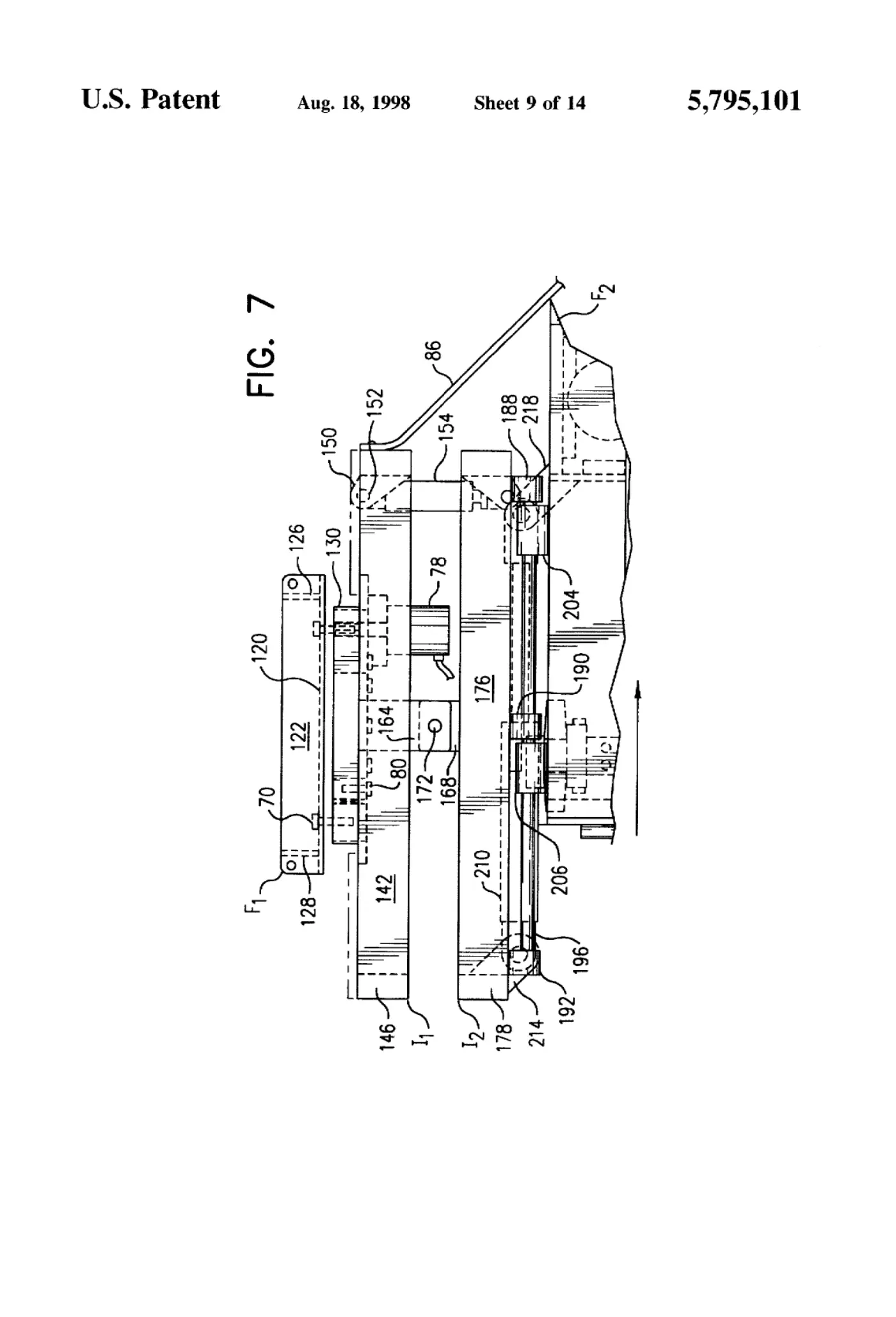
[0009]Sheet 9.
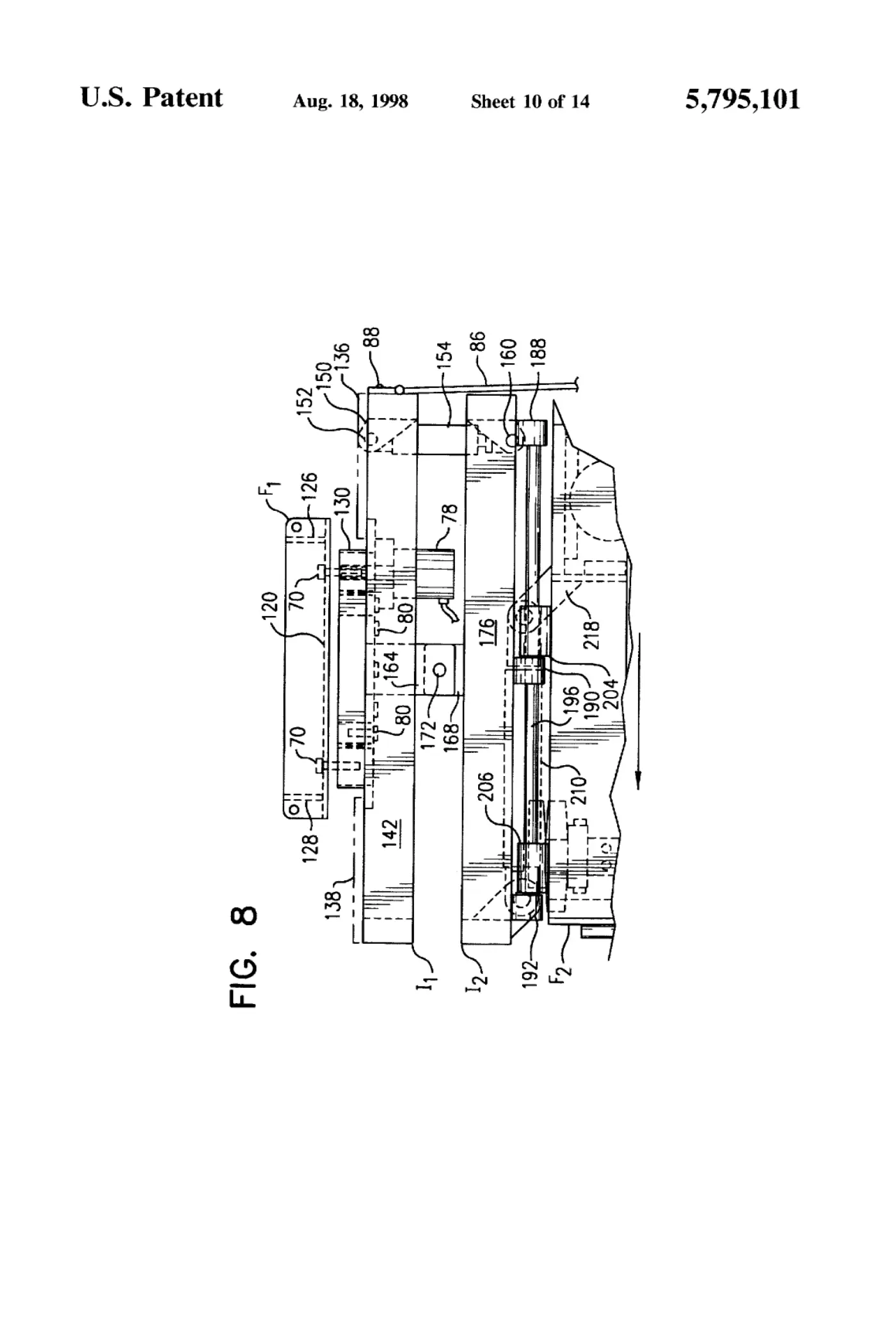
[0010]Sheet 10.
Publication information
Citation
OpenTechnical Publication OT-2026-000003205, “Pipe laying robot apparatus and method for installing pipe,” published September 15, 2026 at 19:49:01 UTC, https://opentechnical.org/p/OT-2026-000003205.
To cite specific content, add the paragraph or figure numbers.
Terms
This record reproduces a document published elsewhere and is provided for reference and study. Rights in the original remain with its owner. See the publication policy.